Tuesday, November 30, 2010
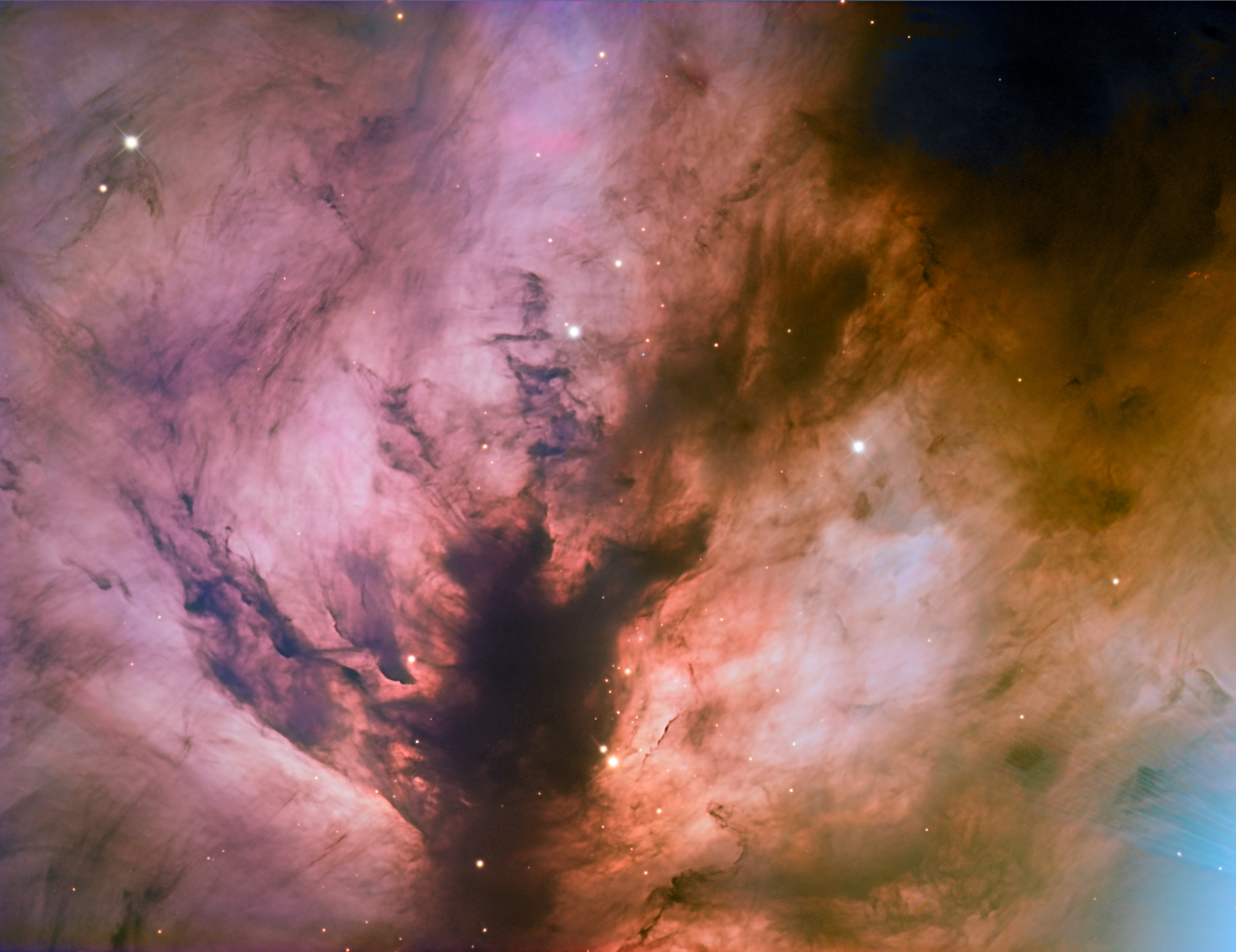
APOD 2.5- Flame Nebula Close-Up

Thursday, November 18, 2010
APOD 2.4- Spiral Galaxy M66
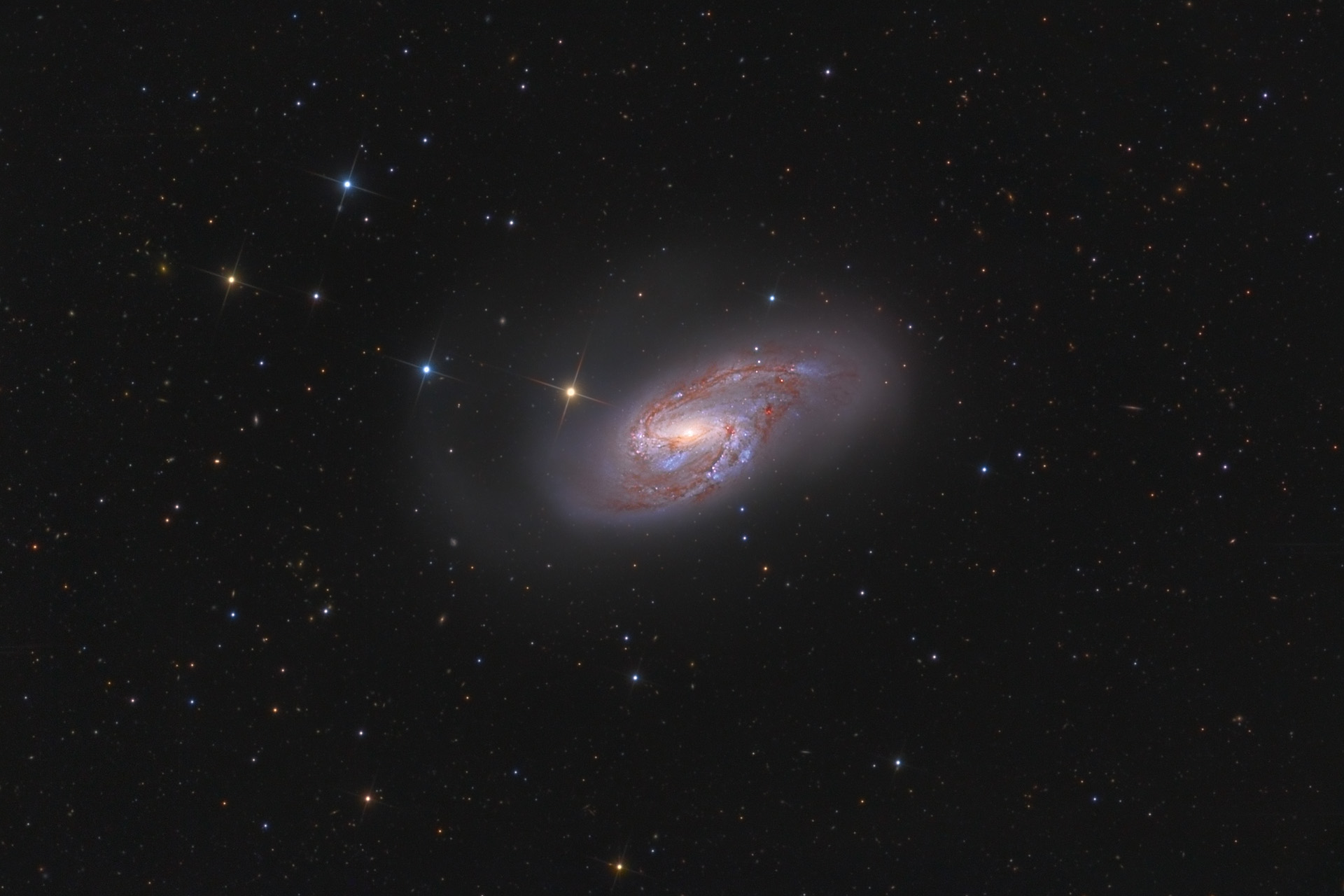
Spiral galaxy M66 was discovered by Charles Messier in 1780, and four supernova have been spotted in this galaxy since. In the Leo Triplet of galaxies, (made up of the three tilted spiral galaxies NGC 3628, M66, and M65), M66 lies 35 million light years across and is about one-hundred thousand light years across, making it the largest galaxy in the trio. Dust lanes and young, blue star clusters are prominent in M66, as they circle the galaxy's center and form a nearly symmetrical galaxy. The dispacement of the glaxy's shape is most likely caused by the gravitational pulls of the neighboring spiral galaxies. The forming pink and blue stars, dusts, nebulae and gases make up the spiral arms of M66.
Friday, November 12, 2010
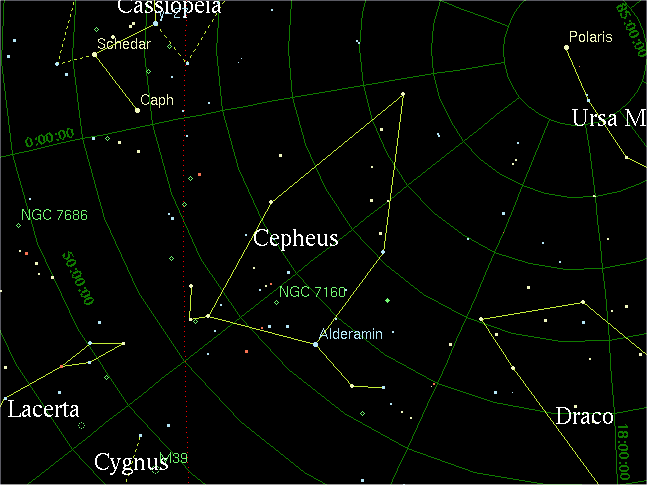
APOD 2.3- The Iris Nebula

The bright blue center of this stellar flower is approximately 6 light-years across. The Iris Nebula (NGC 7023) is located 1,300 light-years away, in the constellation of Cepheus. The blue, cloudy appearance is caused by interstellar dust and gas reflecting the colors of starlight around young, extremely hot stars, which form a shape that looks somewhat like flower petals, giving the nebula its name. Faint hints of color near the center indicate that there are hydrogen emissions taking pace and a possibilityof PAHs. The reddish dust particles give off their brighter colors because they have converted ultraviolet starlet into visible red light. The Iris Nebula is a wonderful example of a reflection nebula.
Friday, November 5, 2010
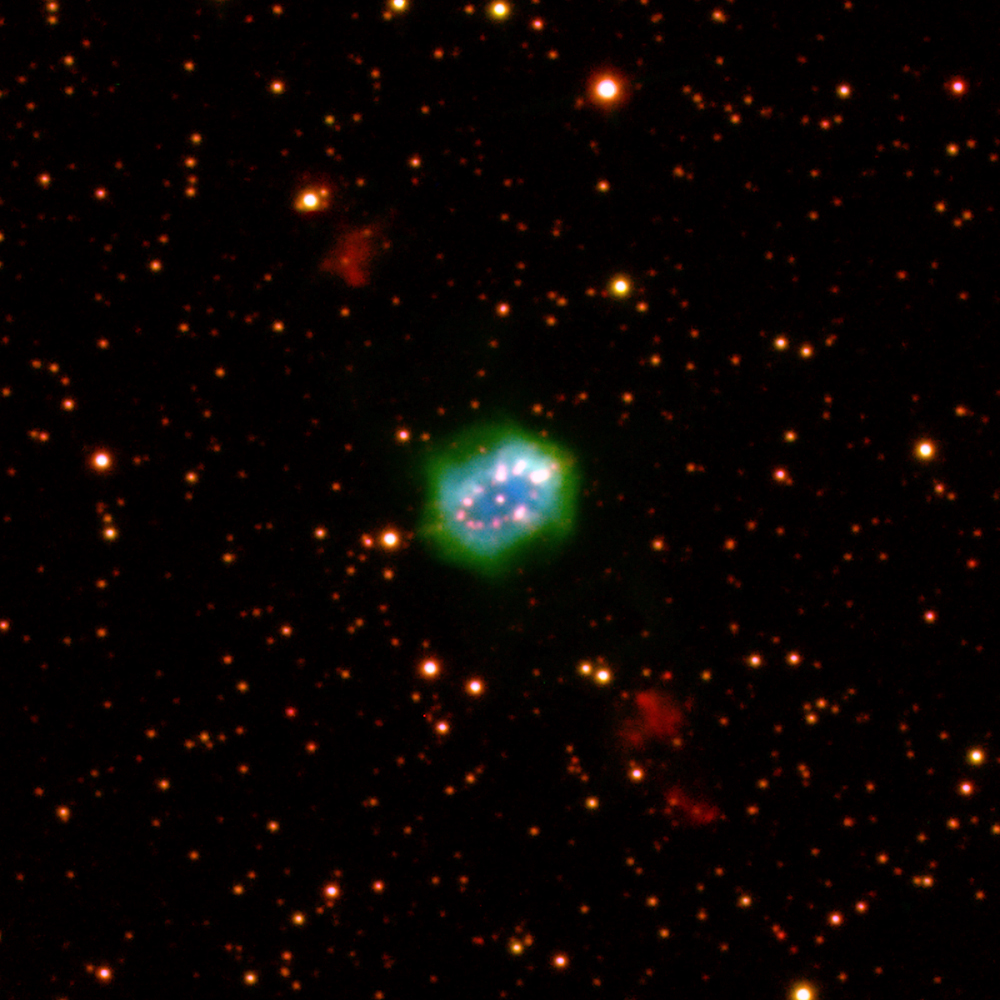
APOD 2.2- The Necklace Nebula
Planetary nebula are formed in the last phase of stellar evolution of sun-like stars.They are composed of gaseous and dusty materials which are expelled from geriatric stars just before the star dies. The Necklace Nebula is a ring-shaped planetary nebula found within the constellation of Sagitta nearly 15,000 light-years away and 5,000 years old. The ring of the nebula is about half a light-year across. A unique property of the Necklace Nebula is that is believed to be a binary star with an orbital period of just over a day.
Thursday, October 28, 2010
APOD 2.1- It Came from the Sun

The large cloud of dust that appears to be extending off of the surface of the Sun is what is called a prominence. Solar prominences are enormous clouds of gas that are held near the Sun by its magnetic fields. A quiescent prominence last about a month, whereas an eruptive prominence will erupt much more quickly. The expulsions of hot gas seen in the photograph are eruptive prominences. Prominences appear darker than the Sun because they are slightly cooler than its surface. This particular one (seen on the top right side of the Sun in this photo) is the largest one yet on record. It is large enough to fit the mass of Earth inside of it.
Friday, October 15, 2010
APOD 1.8-Globular Star Clusters
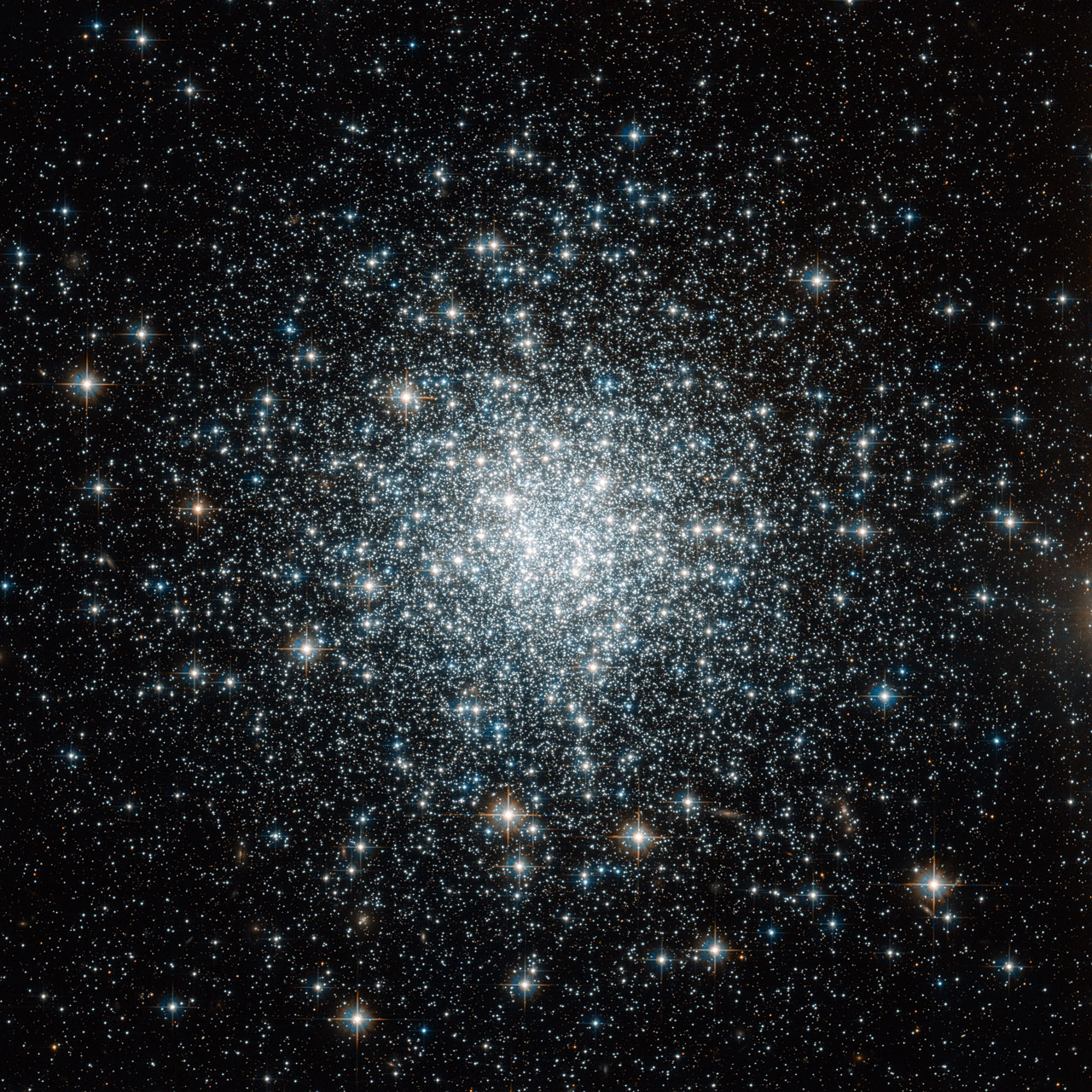
In the vast, starry area known as the Milky Way, globular star clusters are extremely common. Within these clusters, several hundred thousand stars are gravitationally held together in one large group. The stars within the clusters of the Milky Way are estimated to be up to billions of years old. This gives astronomers more information about the age of the Universe. This particular cluster, found in the constellation of Delphinius, is the cluster NGC 6934. It was discovered in 1785 by William Herschel, has a magnitude of 8.83, is 10 billion years old and is 50,000 light years away from our earth.
Thursday, October 14, 2010
Christoph Clavius Biography
 |
| Christoph Clavius |
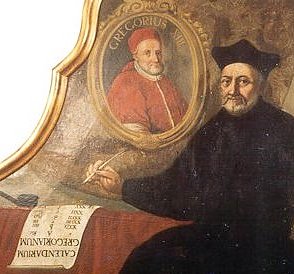
Christoph Clavius was born in Bamberg, Bavaria on March 25, 1538 and died on February 2, 1612 in Rome, Italy. His life’s work was devoted to practicing mathematics and astronomy. It is suspected that he changed his name from a German name, possibly 'Schlüssel', which means ‘key’, to the Latin name ‘Clavius’ which also means ‘key’. Clavius was a member of the Jesuit Order, where he received his education and was sent to University of Coimbra in Portugal in 1556. He became a Professor of Mathematics at Collegio Romano in 1565, while still a student of theology. He published several books, the most well known one being The Elements of Euclid.
 |
| Gregorian Calendar |
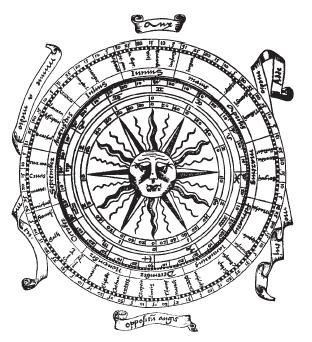
Although his primary studies were in the field of mathematics, his observation of the solar eclipse in 1560 inspired him to pursue the study of astronomy. His first and most significant astronomical achievement was his reformation of the Julian calendar (which came to be known as the Gregorian calendar under King Gregory XIII) and the establishment of functioning leap years. Since the Gregorian calendar used a more accurate value for the tropical year than the Julian calendar used, Clavius used its concept of omitting centennial years to correct the calendar, which became known as the solar correction. He proposed the rule that leap years occur in years that are divisible by four, except years ending in ‘00’ must be divisible by 400. We still use this rule today. Clavius met with Galileo in Rome in 1587, and the two occasionally corresponded from that day onward. Clavius confirmed Galileo’s discoveries, however, he did not confirm Galileo’s theory. As an astronomer, Clavius supported the Ptolemaic system and strongly opposed Copernicus. His development of the modern calendar is extremely significant, although it is greatly overlooked today.
Subscribe to:
Posts (Atom)