Tuesday, December 14, 2010
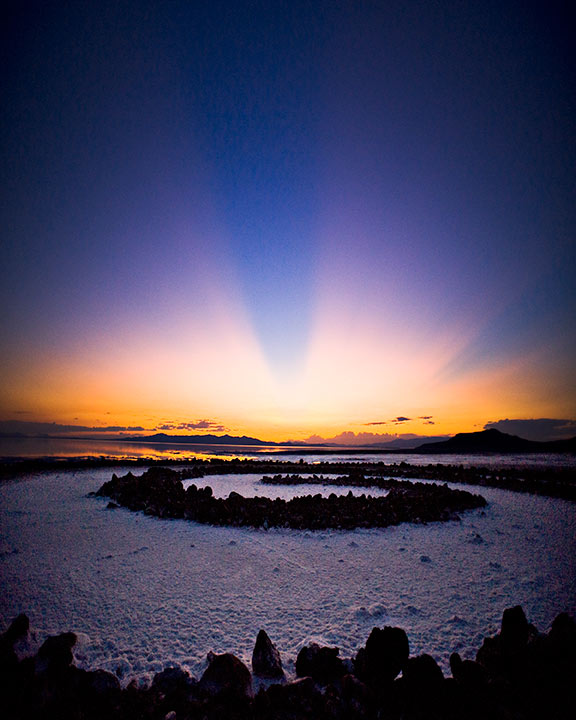
APOD 2.6- Sunset at the Spiral Jetty

Monday, December 6, 2010
Observation 3
Tonight, the moon is just passed the new phase and is entering the waxing crescent. The skies are extremely dark and clear. I was able to see even the faint stars of many constellations and may cloudy, clustered areas of stars. The constellations Perseus and Cassiopeia are visible in tonight's sky toward the north. In the west around 9:00 P.M. I saw Jupiter high in the sky.
Tuesday, November 30, 2010
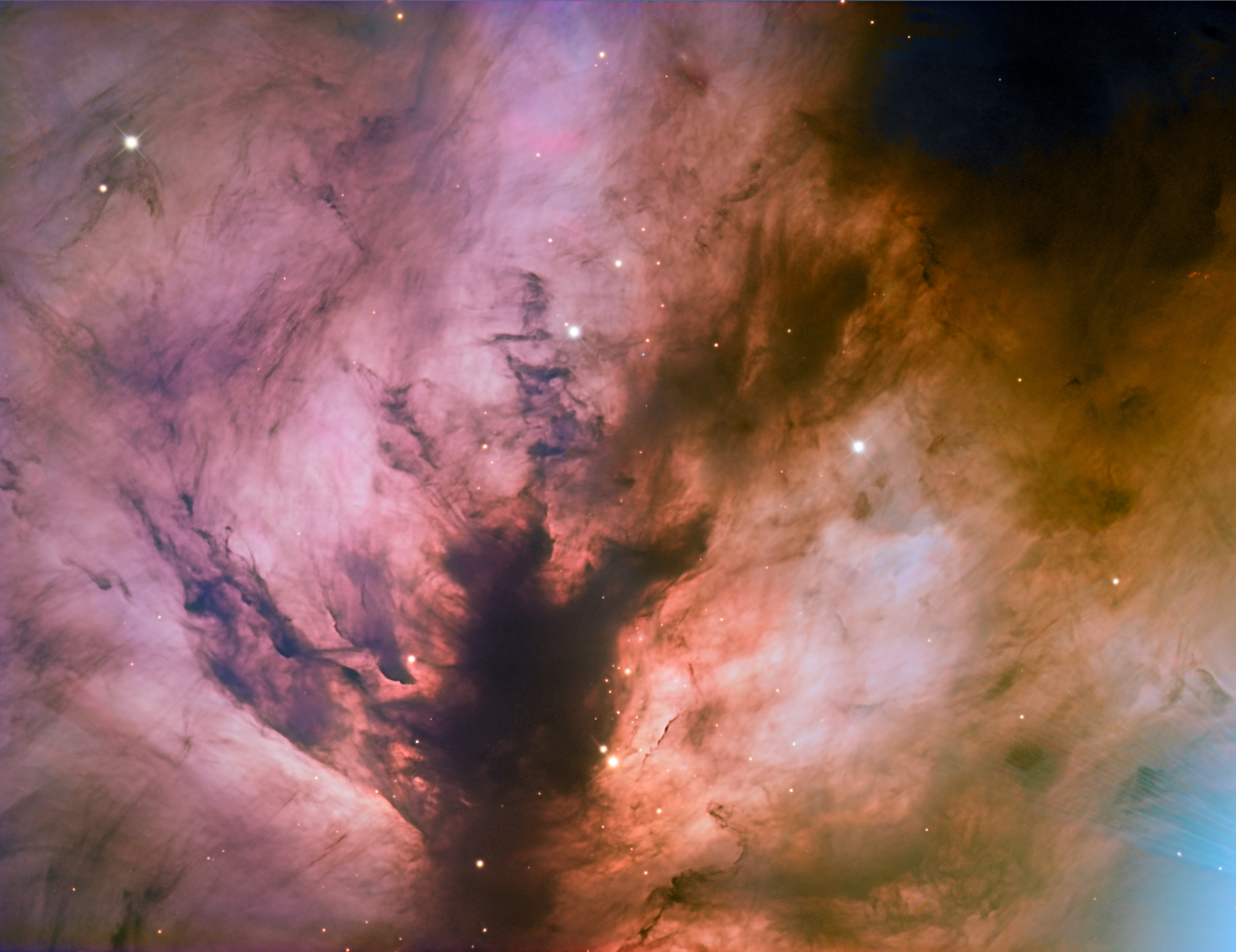
APOD 2.5- Flame Nebula Close-Up
Thursday, November 18, 2010
APOD 2.4- Spiral Galaxy M66
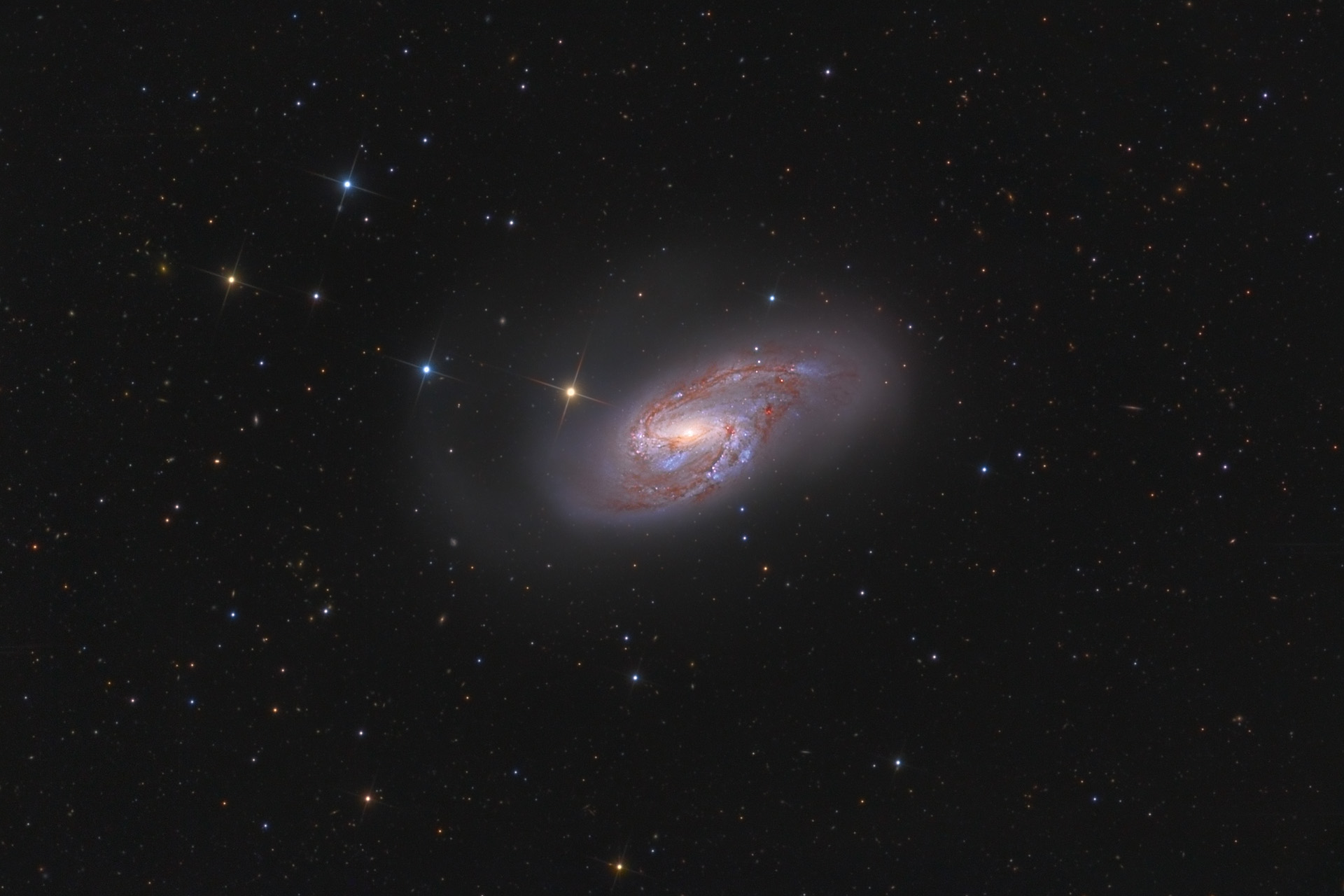
Spiral galaxy M66 was discovered by Charles Messier in 1780, and four supernova have been spotted in this galaxy since. In the Leo Triplet of galaxies, (made up of the three tilted spiral galaxies NGC 3628, M66, and M65), M66 lies 35 million light years across and is about one-hundred thousand light years across, making it the largest galaxy in the trio. Dust lanes and young, blue star clusters are prominent in M66, as they circle the galaxy's center and form a nearly symmetrical galaxy. The dispacement of the glaxy's shape is most likely caused by the gravitational pulls of the neighboring spiral galaxies. The forming pink and blue stars, dusts, nebulae and gases make up the spiral arms of M66.
Friday, November 12, 2010
APOD 2.3- The Iris Nebula

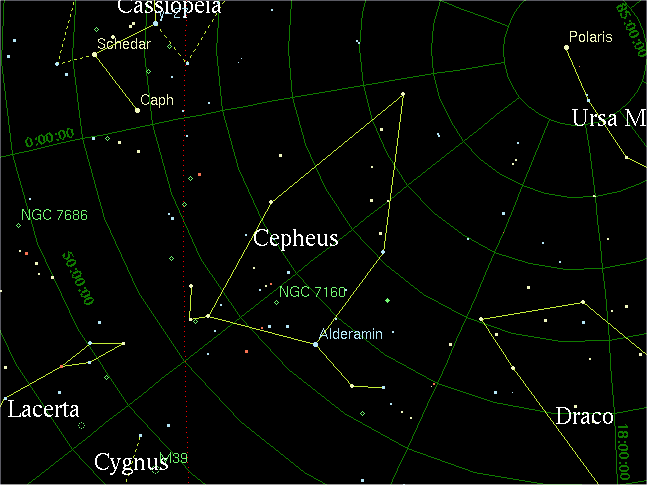
The bright blue center of this stellar flower is approximately 6 light-years across. The Iris Nebula (NGC 7023) is located 1,300 light-years away, in the constellation of Cepheus. The blue, cloudy appearance is caused by interstellar dust and gas reflecting the colors of starlight around young, extremely hot stars, which form a shape that looks somewhat like flower petals, giving the nebula its name. Faint hints of color near the center indicate that there are hydrogen emissions taking pace and a possibilityof PAHs. The reddish dust particles give off their brighter colors because they have converted ultraviolet starlet into visible red light. The Iris Nebula is a wonderful example of a reflection nebula.
Friday, November 5, 2010
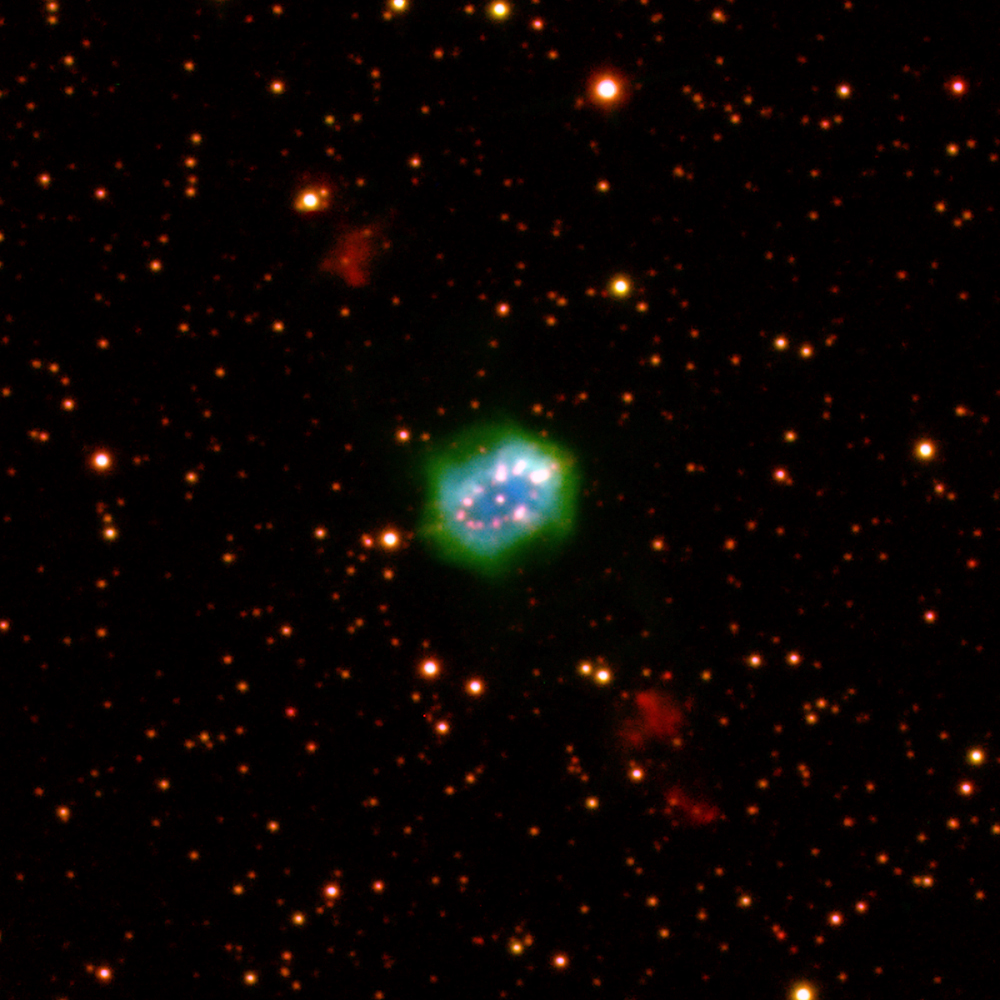
APOD 2.2- The Necklace Nebula
Planetary nebula are formed in the last phase of stellar evolution of sun-like stars.They are composed of gaseous and dusty materials which are expelled from geriatric stars just before the star dies. The Necklace Nebula is a ring-shaped planetary nebula found within the constellation of Sagitta nearly 15,000 light-years away and 5,000 years old. The ring of the nebula is about half a light-year across. A unique property of the Necklace Nebula is that is believed to be a binary star with an orbital period of just over a day.
Thursday, October 28, 2010
APOD 2.1- It Came from the Sun

The large cloud of dust that appears to be extending off of the surface of the Sun is what is called a prominence. Solar prominences are enormous clouds of gas that are held near the Sun by its magnetic fields. A quiescent prominence last about a month, whereas an eruptive prominence will erupt much more quickly. The expulsions of hot gas seen in the photograph are eruptive prominences. Prominences appear darker than the Sun because they are slightly cooler than its surface. This particular one (seen on the top right side of the Sun in this photo) is the largest one yet on record. It is large enough to fit the mass of Earth inside of it.
Subscribe to:
Posts (Atom)